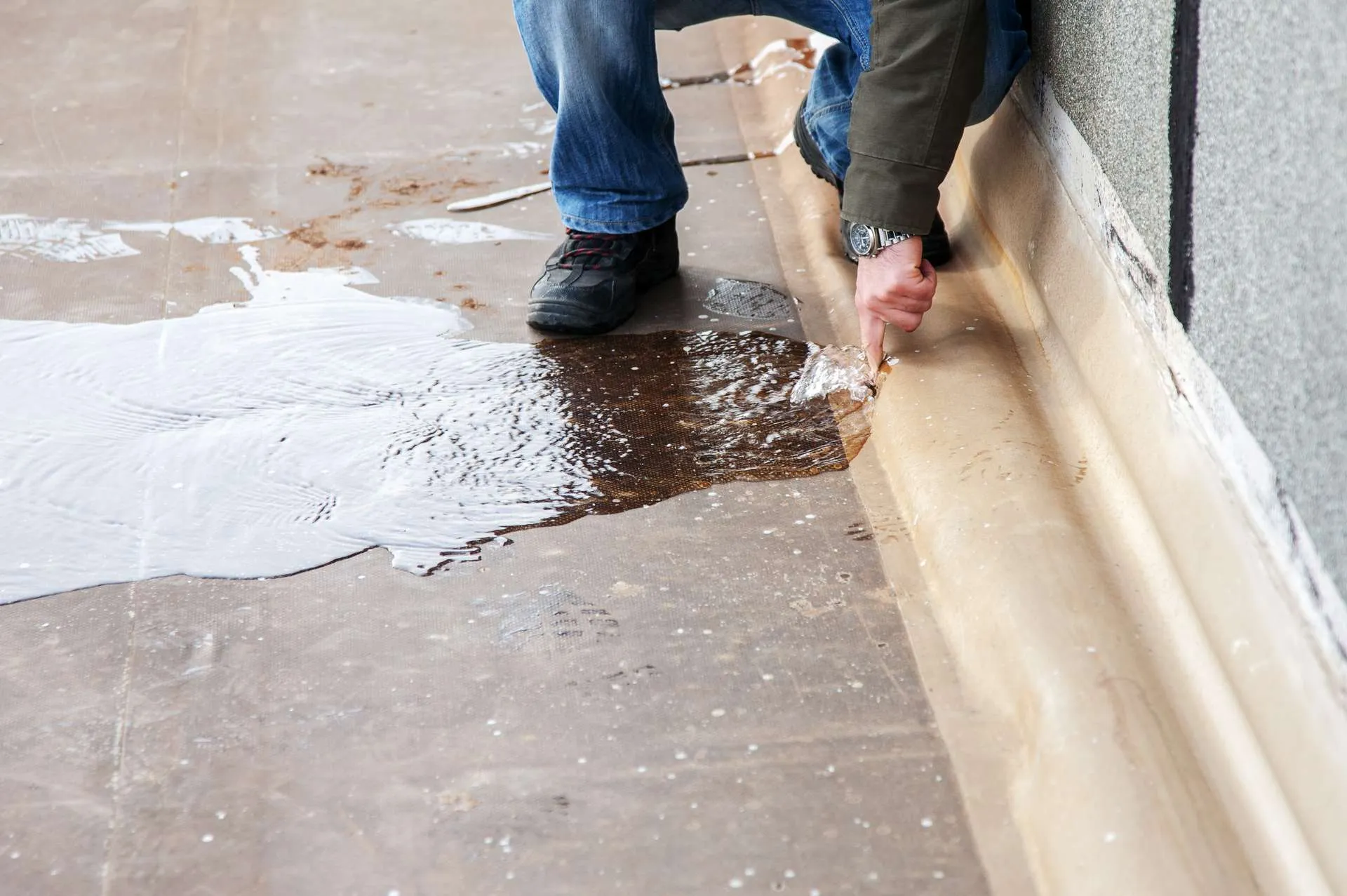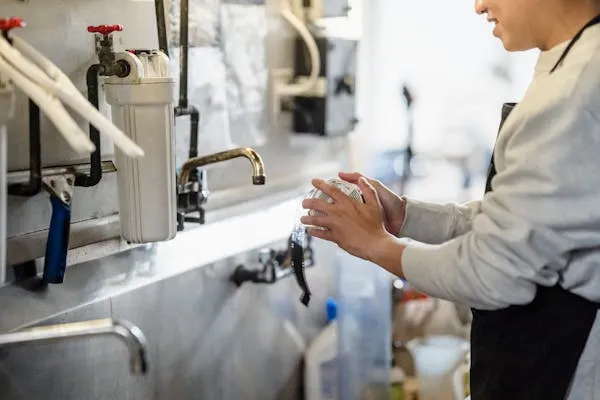
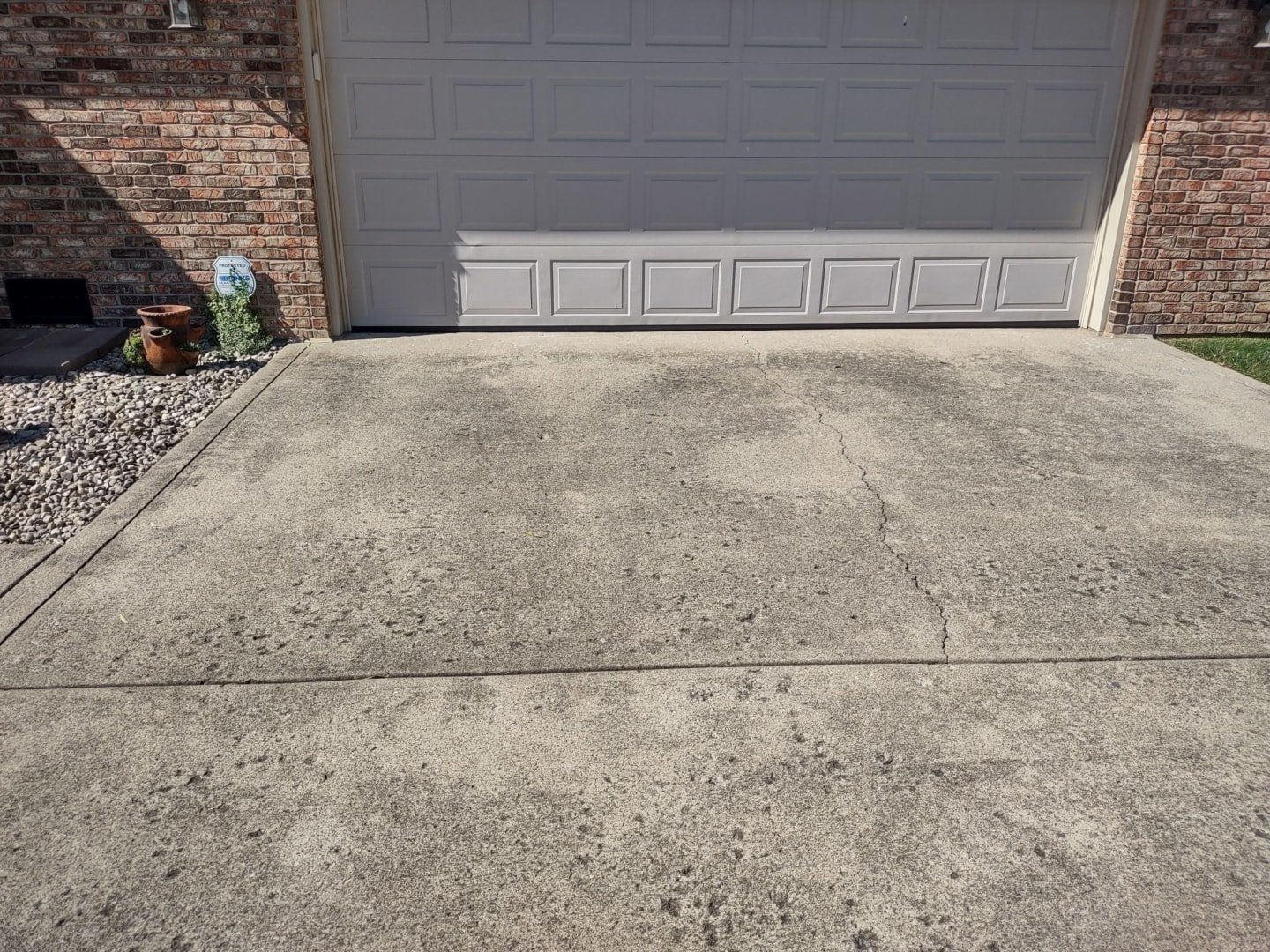

Concrete spalling repair becomes critical when concrete begins to flake or peel, exposing deeper layers and weakening the surface. What often starts as cosmetic damage can quickly threaten structural integrity, especially around driveways, slabs, and foundation walls. Understanding what causes spalling in concrete helps property owners act before repairs become extensive and expensive.
What Is Concrete Spalling and Why It Happens
To define spalling clearly, the spalling definition refers to concrete deterioration where the surface breaks away due to internal stress. Spalling meaning matters because it explains why concrete fails from the inside out. Spalling in concrete often begins when moisture penetrates the concrete surface and reaches reinforcing steel.
As steel corrodes, it expands, forcing the surrounding concrete to crack. Spalling occurs frequently in areas exposed to water, de icing chemicals, or repeated freeze thaw cycles. Improper curing during installation and low-quality materials further increase the risk of cement spalling and concrete scaling.
According to the U.S. EPA, moisture exposure and environmental conditions play a major role in concrete degradation, especially in outdoor surfaces.
Common Areas Affected by Spalled Concrete
Concrete spall damage appears in many locations, but some areas are more vulnerable. Driveway spalling is common due to vehicle weight and water exposure. Foundation walls may show spalled concrete when plumbing leaks or soil moisture remain unresolved. Basement walls often suffer when homeowners attempt to fix crack in basement wall issues without addressing water intrusion.
Concrete scaling repair is often confused with spalling, but both involve surface deterioration that signals deeper problems beneath the concrete surface.
DIY Methods to Fix Concrete Spalling
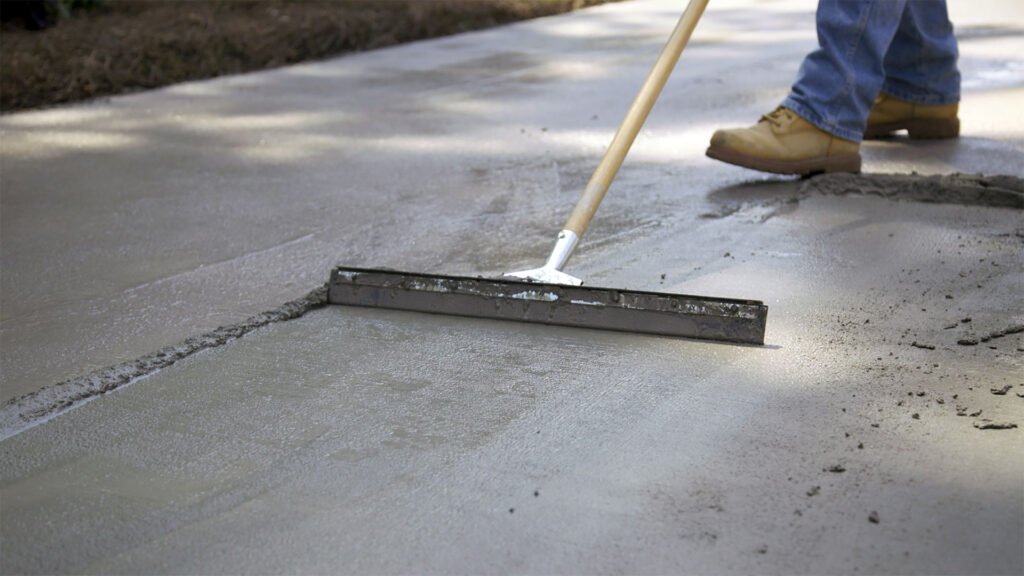
Many property owners attempt to fix concrete spalling using surface patches or store-bought repair compounds. These methods typically involve cleaning loose debris, applying a bonding agent, and filling damaged areas with patching material.
DIY approaches may temporarily improve appearance, especially for minor flaking. However, they rarely address why spalling occurs. Without correcting moisture issues, corrosion continues beneath the patch, leading to repeated failure.
Educational resources from PUE explain how surface repairs often fail when underlying conditions remain untreated.
Why DIY Concrete Spalling Repair Fails Long-Term
Fixing concrete spalling properly requires more than covering damaged spots. DIY repairs fail because they ignore reinforcing steel corrosion, improper drainage, and foundation movement. Surface patches cannot stop moisture intrusion or freeze thaw damage beneath the surface.
Without professional evaluation, homeowners miss early warning signs of foundation cracks or plumbing leaks. In many cases, spalling concrete repair ties directly to hidden issues such as slab leaks or drainage failures that require expert diagnosis.
Hidden Risks of Chemical Repair Products
Some products marketed to fix spalling concrete rely on aggressive chemical compounds. While these may harden quickly, they can trap moisture inside the concrete surface. This accelerates corrosion of reinforcing steel and increases internal pressure.
Chemical sealers may also interfere with proper curing, reducing bond strength. Over time, repaired areas separate from surrounding concrete, causing larger spalled sections to break away unexpectedly.
Signs Professional Concrete Repair Is Needed
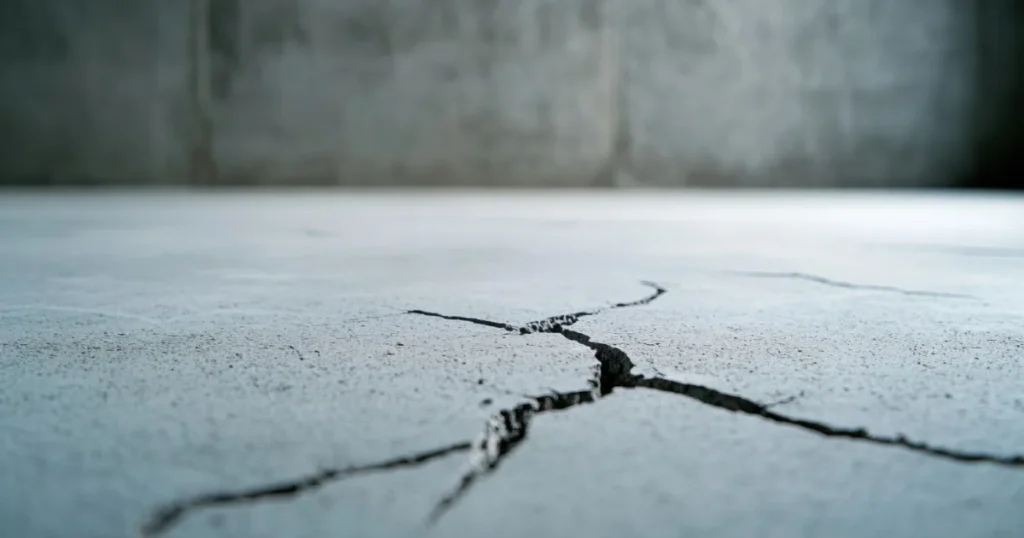
Professional service becomes necessary when spalling spreads, deep cracks appear, or exposed steel is visible. If concrete flakes continue to return after patching, the issue is no longer cosmetic. Foundation wall damage, recurring moisture, or uneven surfaces indicate deeper structural concerns.
Spalling combined with plumbing leaks often requires coordinated repairs. In such cases, consulting professionals experienced in under slab plumbing and structural evaluation prevents recurring damage.
Why Homeowners Trust All American Plumbing for Concrete-Related Repairs
All American Plumbing works closely with Houston Plumbing Expert to identify the root causes behind concrete deterioration. Rather than applying surface-only fixes, professionals evaluate moisture sources, drainage issues, and hidden plumbing failures.
Their approach focuses on long-term structural integrity, not temporary appearance. By combining plumbing diagnostics with concrete repair expertise, they help prevent spalling, foundation cracks, and future damage.
For emergencies tied to structural moisture or leaks, professional support through emergency plumbing ensures immediate protection.
FAQs
What is the meaning of spalled concrete?
Spalled concrete means the surface layer has broken away due to internal pressure, corrosion, or moisture damage. This condition weakens the concrete surface and often signals deeper structural or environmental problems beneath the visible damage.
How do you repair spalling concrete permanently?
Permanent repair involves removing damaged material, treating reinforcing steel, correcting moisture sources, and applying compatible repair materials. Professional methods focus on preventing future spalling rather than relying on surface patches alone.
Is driveway spalling dangerous?
Driveway spalling can become hazardous if ignored. Flaking surfaces create trip risks and allow water penetration that worsens damage. Over time, structural weakening may require full concrete replacement rather than simple repairs.
Can spalling concrete affect a foundation wall?
Yes, spalling in a foundation wall can expose reinforcing steel and compromise load-bearing capacity. This often occurs when moisture, plumbing leaks, or poor drainage remain unresolved for extended periods.
Does sealing concrete prevent spalling?
Sealing helps as a preventative measure but does not repair existing damage. Sealers must be applied correctly and combined with proper curing and drainage control to effectively prevent spalling.
When should a plumber inspect spalling concrete?
A plumber should inspect spalling concrete when moisture, leaks, or foundation cracks are present. Hidden plumbing issues often contribute to spalling and require professional diagnosis before concrete repairs succeed.
Take Action Before Concrete Damage Spreads
Concrete spalling repair is most effective when addressed early and professionally. Ignoring flaking concrete allows moisture intrusion, corrosion, and structural damage to escalate. Coordinated repair protects both the concrete surface and the systems beneath it.
If spalling concrete appears near plumbing lines or foundation walls, schedule an inspection through plumbing repair services to identify underlying causes before repairs fail.
Conclusion
Concrete spalling repair is not just about restoring appearance. It is about preserving structural integrity, preventing moisture damage, and avoiding costly future repairs. When spalling in concrete persists, professional evaluation ensures the problem is fixed correctly the first time. Acting early protects your property and delivers lasting results.
To understand best practices for long-term concrete performance, guidance from the American Concrete Institute reinforces the importance of proper materials and professional repair methods.