

The Houston plumbing system faces more environmental stress than most cities due to the region’s subtropical climate, heavy rainfall, and unstable soil. These factors accelerate pipe wear, cause structural shifts, and lead to water damage if not maintained correctly.
In 2021, Houston homes suffered widespread burst pipes from an unexpected freeze. In summer, the humidity routinely exceeds 90%, putting strain on materials and causing internal condensation. Every season brings new risks to your residential plumbing system in Houston.
If you live in Spring, TX, or another Houston suburb, you may notice similar issues. Our Spring plumbing services are tailored to handle both urban and suburban plumbing conditions.
Why Houston’s Climate Affects Your Plumbing System
Houston plumbing systems operate in a humid subtropical climate (Köppen classification: Cfa) defined by:
- High annual rainfall (~49 inches)
- Soil movement from clay-rich ground
- Frequent 90°F+ temperatures
- Sudden cold snaps below 32°F
These weather conditions collectively degrade your plumbing materials, alter water pressure, and weaken underground lines.
High Humidity and Condensation Problems
When outdoor humidity meets cold water lines inside your home, condensation forms. This causes:
- Moisture inside cabinetry and walls
- Pipe sweating, especially in basements
- Mold buildup and mildew risks
- Pipe corrosion (copper, iron especially)
This issue is common in older homes with uninsulated lines. You can mitigate it with residential plumbing services in Houston that include vapor barrier installation and pipe wrapping.
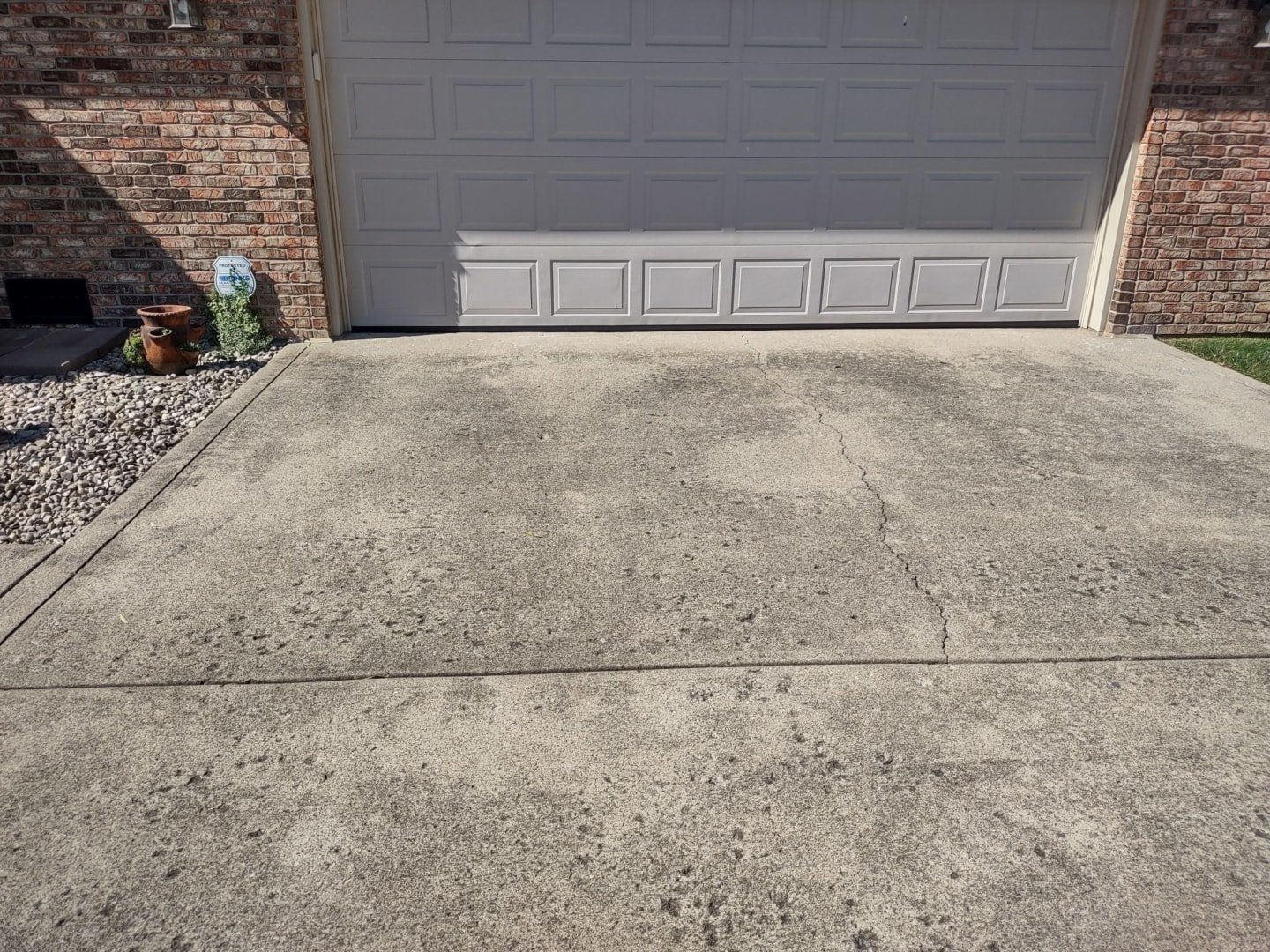
Soil Movement and Foundation Instability
Houston sits on expansive clay soil that shrinks in drought and swells during heavy rains. This causes:
- Pipe misalignment under foundations
- Cracked or sheared underground pipes
- Slab leaks and flooring moisture issues
- Shifting sewer and drainage lines
Routine inspections and re-routing are often required, especially in older homes with galvanized piping. For homes experiencing these shifts, it’s vital to choose the best residential plumber in Houston to assess and repair damaged lines before they escalate.
Heat and Pipe Material Expansion
Summer heat causes plumbing lines especially metal ones to expand and contract. Key risks include:
- Warping in PVC lines
- Loose fittings in copper systems
- Stress cracks in older solder joints
- High pressure in closed systems
PEX offers better flexibility under expansion. If you’re unsure which materials your home uses, book a residential plumbing inspection in Houston.
Seasonal Plumbing Threats in Houston
Each season impacts your plumbing system differently. Here’s what to expect:
Summer Plumbing Stress
- Increased water usage from irrigation and showers
- AC condensate drain clogs
- Metal pipe expansion causes leaks
- Tankless water heater overheating
Winter Freeze and Burst Pipe Risk
Even rare freezes in Houston can rupture uninsulated pipes. Risks include:
- Attic or garage pipe bursts
- Exterior faucet failures
- Slab leaks from frozen main lines
- Hot water line rupture due to pressure build-up
Protective measures include pipe insulation and shutoff valve upgrades.
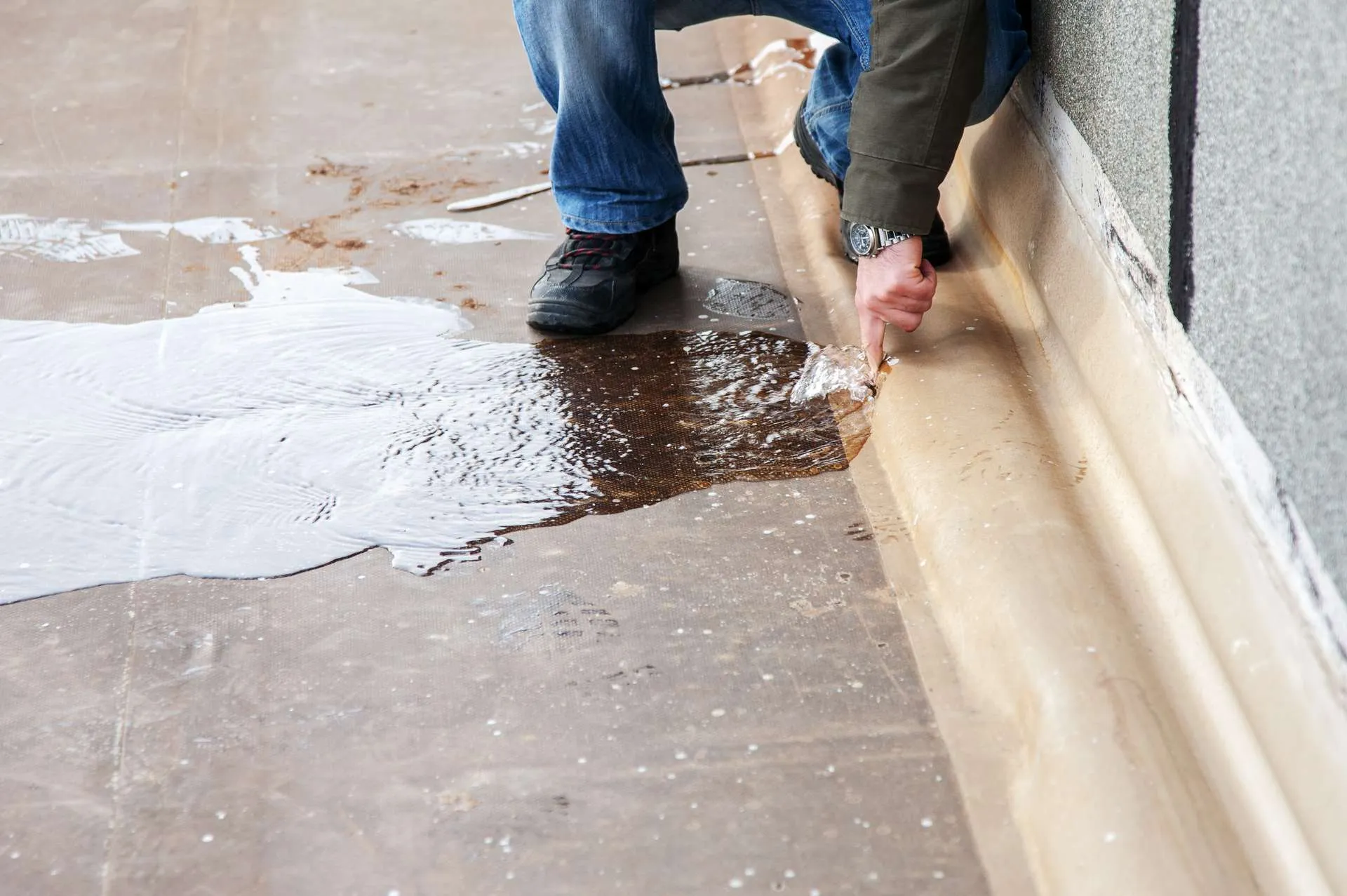
Rainfall and Flooded Drainage Systems
Houston’s poor drainage infrastructure often causes:
- Sewer backups during storms
- Backflow into tubs and sinks
- Standing water over buried pipes
- Moisture under foundations
Installing backwater valves and maintaining external drains can help prevent major damage.
Plumbing Materials and Their Performance in Houston
Climate impacts materials differently. Here’s a breakdown:
Performance Comparison Table
| Material | Heat Resistance | Humidity Tolerance | Freeze Resilience | Soil Movement Flexibility |
| Copper | Medium | Prone to corrosion | Poor | Low |
| PEX | Excellent | Stable | Moderate | High |
| PVC | Poor | Brittle over time | Poor | Moderate |
PEX is ideal for Houston plumbing systems due to its resistance to heat and movement. Copper is reliable but fails under freeze. PVC should be limited to protected indoor areas.
How to Protect Your Plumbing from Houston’s Weather
Preventive steps reduce long-term costs and system failure.
Insulate Exposed Pipes
- Use foam wrap or fiberglass insulation
- Focus on attics, garages, crawlspaces
- Add heat tape before winter cold fronts
Schedule Seasonal Plumbing Inspections
- Inspect joints, water pressure, and slab leaks
- Camera inspection of sewer lines
- Check water heaters and hose bibs
Book a professional plumbing inspection in Houston to prepare before summer or winter extremes.
Install Water Pressure Regulators
- Protect appliances and fixtures from spikes
- Reduce chances of pipe bursts
- Maintain safe PSI between 50–70
Signs It’s Time to Call a Houston Plumber
Don’t ignore these warning signs:
- Low or inconsistent water pressure
- Gurgling noises from drains
- Sewer odors inside the home
- Wet spots on drywall or floors
- Soggy areas in yard near main line
Immediate response from a local pro reduces repair costs.
Need help now? Contact Houston Plumbing Expert for emergency service.
Final Thoughts: Choose a Houston Plumber That Understands the Weather
Houston Plumbing Expert provides climate-specific plumbing care. Whether you’re battling sweating pipes, leaks from shifting soil, or freeze-prone outdoor lines, our local expertise keeps your Houston plumbing system protected year-round. Need long-term solutions or urgent repair? Contact us today or schedule your residential plumbing service with the team who understands Houston homes.
FAQs on Houston Plumbing and Climate
How does Houston’s climate affect home plumbing?
Houston’s heat, humidity, and unstable soil stress plumbing systems. High humidity causes condensation. Soil shifts misalign pipes. Sudden freezes burst lines. These factors increase system failure risks.
Why do pipes burst in Houston’s winter?
Freeze events burst uninsulated lines. Even one night below freezing causes water inside pipes to expand and rupture pipes in walls, garages, or outdoor faucets.
Which pipe material works best in Houston?
PEX is most resilient in Houston’s climate. PEX handles thermal expansion, freeze resistance, and soil movement better than copper or PVC, making it ideal for Houston homes.
How to protect plumbing during heavy rain?
Install backwater valves and keep drains clear. Houston homes need flood controls backwater valves, exterior drain maintenance, and yard grading to prevent stormwater damage.
When to inspect a Houston plumbing system?
Every spring and fall. Biannual inspections prevent seasonal failures. Schedule before major heat or freeze cycles. Identify leaks, pressure issues, or root intrusion early.