
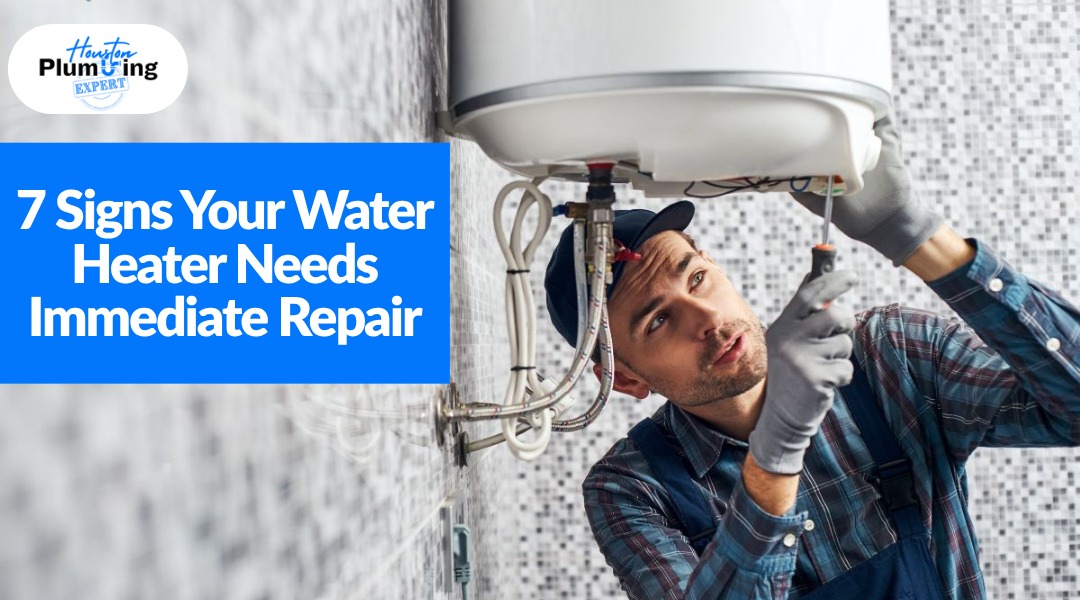

Ever stepped into the shower expecting warm, only to be greeted by freezing water? It’s easy to brush it off, but that sudden temperature drop might be your water heater waving a red flag; this often-overlooked appliance quietly powers through daily use until it doesn’t, and when things go wrong, the damage can hit your wallet, your safety, and your peace of mind.
In this guide, we will break down seven early warning signs that your water heater is crying out for attention, so you can act before things boil down to an expensive mess.
Why Recognizing Water Heater Issues Early Is Critical?
A faulty water heater doesn’t always shout, it whispers. But, ignoring those whispers can lead to serious risks, from hidden leaks rotting your floors to gas or electrical faults threatening your family’s safety.
Cracked tanks can flood homes in minutes, while temperature control issues may scald without warning; if you add rising energy bills to the mix, the cost of waiting quickly outweighs the cost of early repair.
If you recognize issues before they escalate, it will not only protect your wallet but also keep your home safe and up to code. As discussed in our Complete Guide to Water Heater Installation in Houston Homes, catching problems early is one of the smartest steps a homeowner can take.
What Are the Most Common Signs Your Water Heater Needs Repair?
When water heaters start acting up, the signs are usually there, but only if you know where to look. These are the seven most reported warning signs, flagged by professional technicians and confirmed through real repair cases across Texas homes.
1. Inconsistent Water Temperature
One minute it’s freezing, the next it’s too hot to touch. Temperature swings like these usually mean the thermostat is misfiring or sediment has settled at the bottom, disrupting heat transfer. Sometimes, a faulty mixing valve may also be to blame; these fluctuations are annoying and can be dangerous, too.
2. Low Hot Water Pressure
A sudden dip in hot water pressure, especially if the cold water flows fine, often indicates that something is blocking the path—such as scale buildup, valve obstructions, or pipe corrosion. Over time, mineral deposits from hard water shrink the flow, leaving you with a trickle instead of a steady stream.
You can learn more about system flow and pipe performance in our guide on Understanding The Importance of Water Pressure, Supply Lines, & Drainage Systems.
3. Discolored or Rusty Water
If your hot water runs orange or brown, it’s likely due to rust either inside the tank or from ageing pipes. It often points to a failing anode rod or corrosion eating away at the inner lining. Discoloured water is noticed as a visual issue and a proper red flag for internal decay.
4. Strange Sounds Coming from the Tank
Do you hear banging, crackling, or popping from your water heater? That’s not normal; it’s the sound of sediment buildup creating hot spots and trapping steam. As pressure builds inside the tank, it can lead to overheating or even premature failure. Noise could be annoying, but it’s just a sign that your heater’s under stress.
5. Leaking or Pooling Around the Tank Base
Can you see puddles forming at the base? Even a slow drip could mean a serious structural issue, like a cracked tank or worn-out seal. Leaks often start small but quickly lead to water damage restoration, mold, or worse. Don’t wait, water near your heater is always a call-for-help moment.
6. Foul Smelling Hot Water
That rotten-egg smell in your hot water usually means sulfur-producing bacteria are thriving inside the tank; it often happens when the anode rod corrodes and loses its protective effect. It sounds unpleasant to you when you read it, but it’s also a hygiene concern; the sooner you act, the easier it is to fix the root cause.
7. Water Takes Too Long to Heat
If you’re waiting ten minutes or more for hot water to arrive, something’s off. A sluggish response may point to a failing thermostat, a weakened heating coil, or even an undersized unit struggling to meet your household’s demands. When you encounter delays like this, it often signals parts on the verge of breakdown.
Diagnostic Table – Signs vs. Causes vs. Actions
Sign |
Probable Cause |
Immediate Action |
| Inconsistent temperature | Thermostat issue, sediment | Check thermostat, flush system |
| Rusty water | Tank corrosion, anode rod | Replace rod, inspect tank |
| Low pressure | Scale buildup | Descale pipes, flush heater |
| Loud noises | Sediment overheating | Flush tank |
| Leaking tank | Seal failure, corrosion | Emergency plumber needed |
| Foul odor | Bacteria inside tank | Sanitize tank, replace anode |
| Delayed heating | Faulty coil, old unit | Replace coil or unit |
If two or more signs appear simultaneously, call a emergency plumber for urgent evaluation.
What Causes Water Heater Issues in Houston Homes?
Houston’s mineral-heavy water is a major culprit behind faster water heater wear; over time, hard water leads to sediment buildup inside the tank, reducing efficiency and shortening the heater’s lifespan.
Seasonal humidity and pressure fluctuations also stress internal components, especially in older units that haven’t been flushed regularly. Electrical surges during storms or inconsistent natural gas flow can damage important parts like thermostats and heating elements.
Since Houston’s municipal water supply varies in mineral content, routine Water heater installation in Houston and maintenance become even more important. Homeowners who skip flushing or delay inspections often end up facing costly breakdowns that could’ve been easily prevented.
When Should You Call a Professional Plumber?
Not every water heater issue demands a total replacement, but some warning signs should never be ignored. If you spot leaks around the base, hear popping or rumbling sounds, or experience water that smells off or changes color, it’s time to bring in a certified plumber in Houston. A trained professional can quickly identify whether a worn valve, rusted part, or sediment overload is causing the trouble.
For local homeowners, finding the Best plumber in Rosenberg can make all the difference. A trained professional can quickly identify whether a worn valve, rusted part, or sediment overload is causing the trouble.
Trust me, timely help can mean the difference between a simple fix and an emergency plumbing repair. Remember, if heater failure threatens your hot water supply or risks water damage, don’t hesitate to call for expert help immediately.
Why Choose a Licensed Houston Plumber for Water Heater Repairs?
Water heater repairs in Houston are about following strict local codes. The state of Texas requires permits for any heater replacement, and only a licensed plumber can provide code-compliant service backed by warranty protection.
A certified Houston contractor ensures that gas line repair are correctly inspected, pressure relief valves are tested, and all work passes city permit approval; hiring someone without credentials risks future leaks, safety violations, and denied insurance claims. Whether you are installing a new unit or fixing a minor fault, a licensed expert guarantees peace of mind and long-term reliability in your home.
Conclusion – Take Immediate Action on Heater Warning Signs
Heater issues rarely fix themselves, and ignoring the signs can lead to severe water damage, rising energy bills, or even hazardous gas leaks. It could be strange noises, rusty water, or sudden temperature drops; all these problems demand attention. Acting fast not only protects your home but also avoids bigger, costlier repairs down the line.
When warning signs appear, Houston homeowners should always turn to a trusted plumbing repair expert. Don’t wait, schedule a visit from a professional plumber and keep your system safe, efficient, and up to code.
FAQs Answering Key Questions About Water Heater Repairs
1. What’s the average lifespan of a water heater?
The average lifespan of a water heater typically ranges from 8 to 12 years. However, it depends on factors like the type of water heater, water quality, flushing frequency, usage, and maintenance.
2. Can I still use hot water if my heater is leaking?
No, you can not use hot water if your heater is leaking water because it can lead to structural failure. Leaks may indicate tank rupture or valve damage. Continued use of leaking heaters can cause property damage or injury.
3. Is it cheaper to repair or replace a faulty heater?
It is cheaper to repair a water heater than to replace it. However you should replace the water heater if it is old, frequently breaking down, or the repair cost is a significant portion of a new unit’s cost.
4. How often should I flush my water heater?
It is generally recommended to flush your water heater every 6–12 months to remove sediment buildup. However, if you have hard water, flushing every six months may be more beneficial to prevent scaling and heating inefficiency.
5. What are signs of dangerous water heater failure?
There are various dangerous signs of water heater failure like leaks, unusual noises, gas smell, rusty or discolored water, and fluctuating or insufficient hot water. These signs indicate failing heating elements, sediment buildup, corrosion, or pressure issues, potentially leading to leaks, scalding hazards, or even explosions if not addressed promptly.

